How to Get Your Security Deposit Back in Georgia: CSRA Tenant Guide
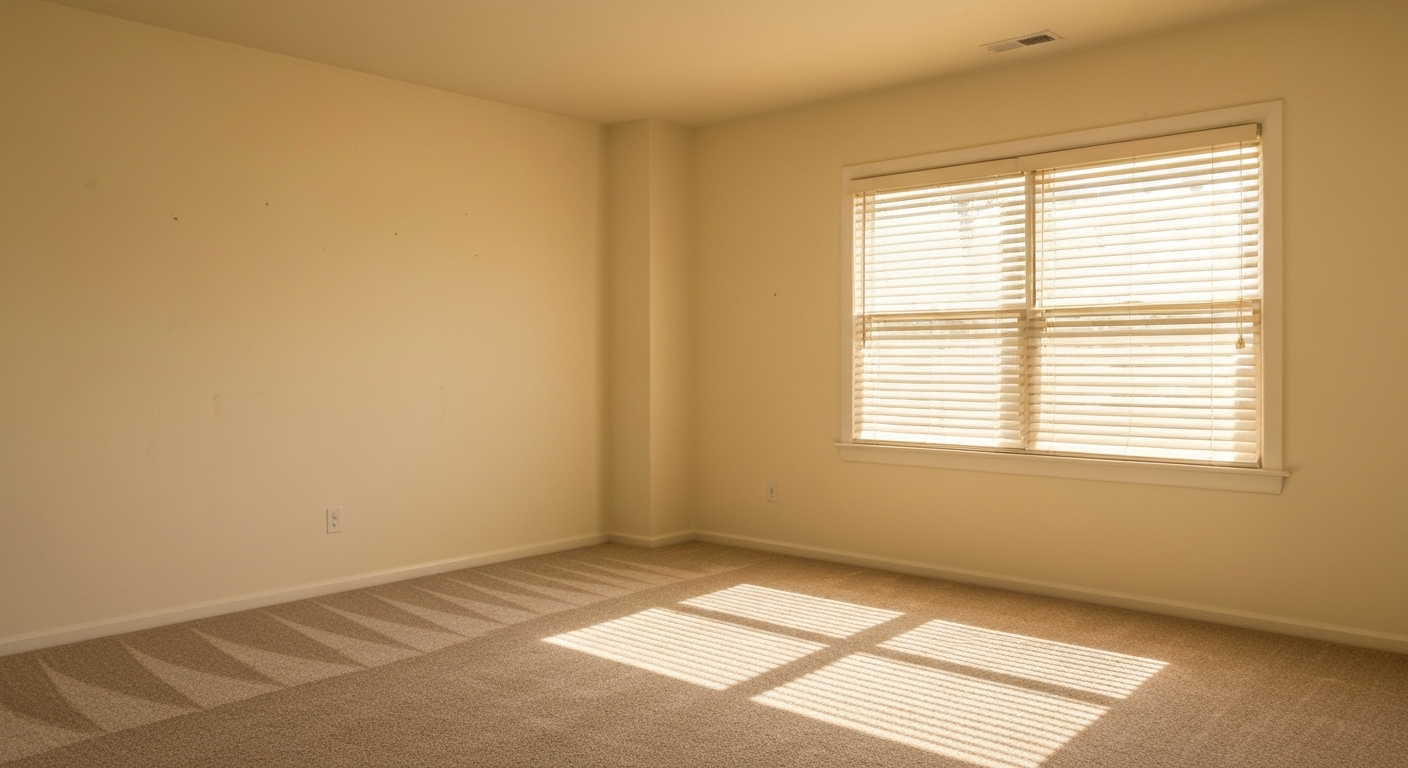
How long does a Georgia landlord have to return a security deposit, and what can they deduct? Under O.C.G.A. § 44-7-34, a Georgia landlord must return your security deposit — or mail you a written itemized statement of deductions — within 30 days of move-out. They can only keep money for unpaid rent, actual damage beyond normal wear, or cleaning costs beyond standard turnover. Missing the 30-day window forfeits their right to withhold anything, and bad-faith withholding can trigger triple damages in magistrate court.
It's July — peak moving season in the CSRA. Leases that started last summer are wrapping up. Families with school-age kids are transitioning before August. Service members with Fort Gordon PCS orders are handing over keys before heading to their next duty station. And every single one of them is wondering the same thing: am I going to get that deposit back?
The answer depends partly on how you left the property — and partly on whether you know Georgia law well enough to hold your landlord accountable if they don't follow it.
Most tenants don't. They clean the place, hand over the keys, wait a few weeks, and accept whatever check arrives (or doesn't arrive). Some move on. Others find out later they could have gotten every dollar back — or even more.
This guide covers what Georgia law actually requires, what landlords can and cannot keep, and what steps to take before, during, and after your move-out to put yourself in the strongest possible position.
What Georgia Law Requires of Your Landlord — and the 30-Day Clock
The core of Georgia's security deposit rules lives in O.C.G.A. §§ 44-7-30 through 44-7-37. These sections are short, clear, and worth knowing.
After you vacate and provide your landlord with a forwarding address, they have exactly 30 days to do one of two things:
- Return your full deposit, OR
- Send you a written statement itemizing every deduction — with specific amounts, specific reasons, and the remainder of the deposit (if any) enclosed
There is no option three. No "we'll get to it when we get to it." No verbal explanation over the phone. A written statement, within 30 days, by mail to the forwarding address you provided.
The clock starts on the later of two dates: the date you actually moved out, or the date you gave them your forwarding address. If you hand over keys on July 10 but don't send a forwarding address until July 15, the 30-day window opens July 15.
Georgia also requires landlords to hold your deposit properly from the moment they receive it — in a separate bank escrow account (not their operating account) or secured by a surety bond filed with the superior court clerk, with written notice to you within 30 days of deposit receipt. If your landlord never told you where your deposit was held, that's already a procedural violation — something worth noting if the situation ends up in front of a judge.
These requirements were reinforced and extended by Georgia's Safe at Home Act, which also established minimum habitability standards and capped deposits at two months' rent. This is general guidance from a property manager — not legal advice; talk to a Georgia attorney for your specific situation.
What Your Landlord Can — and Cannot — Keep
Not every deduction is legitimate. Georgia law is specific about what a landlord may recover from your security deposit:
Allowed deductions:
- Unpaid rent — any balance remaining on your account at move-out
- Actual damage beyond normal wear and tear — holes in walls larger than standard nail holes, broken fixtures, pet damage to flooring or doors, stained carpet from spills or pet accidents, unauthorized alterations
- Cleaning costs — but only when the unit requires cleaning that exceeds what a standard turnover would normally require; if you left the place dirty, a cleaning fee is legitimate
Not allowed:
- Anything that qualifies as normal wear and tear — the gradual deterioration that happens to any property through ordinary use over time
- Repairs or replacements that were already the landlord's responsibility under the duty of habitability established by the Safe at Home Act
- Charges for damage that existed before your tenancy (this is why the move-in inspection matters so much)
- Unsubstantiated charges without documentation or receipts
The distinction between normal wear and tear and actual damage is where most disputes originate.

The Wear-and-Tear Line: A Georgia-Specific Reference
Georgia courts have been fairly consistent about what falls on each side of the line. Here's a practical breakdown:
| Item | Normal Wear and Tear (NOT deductible) | Actual Damage (Deductible) |
|---|---|---|
| Walls | Minor scuffs, small nail holes (1-2 per wall), faded paint after 3+ years | Large holes, dozens of nail holes, unauthorized paint colors |
| Carpet | Traffic-path wear, fading after several years | Stains, burns, pet odor saturation, tears |
| Hardwood floors | Light surface scratches from normal use | Deep gouges, water damage from uncleaned spills, pet stains |
| Doors | Sticky door due to humidity, loose handle from normal use | Broken hinges, punched or kicked damage |
| Appliances | Wear from normal cooking/use, faded finish | Broken internal components from abuse, missing racks or shelves |
| Bathroom | Soap scum buildup (if cleaned), loose grout | Cracked tiles, broken towel bars ripped from drywall |
| Windows | Faded caulk, loose latch from age | Cracked or broken glass, missing screens |
| Cleaning | Dust in vents, cobwebs in corners | Grease-covered oven, filthy refrigerator, mold from negligence |
In Augusta-area homes built in the 1970s–1990s (common across Martinez, Grovetown, and North Augusta), paint and carpet wear faster than in newer construction — a factor that favors tenants when a landlord tries to charge full replacement cost on a carpet that was already 8 years old.
One local factor worth knowing: Georgia judges in Richmond County and Columbia County magistrate courts tend to look unfavorably on landlords who claim carpet replacement after a tenancy of three or more years, because the useful life of most carpet is 5–7 years and courts will pro-rate the expected remaining value rather than award full replacement cost.
What to Do Before You Hand Over the Keys
The best time to protect your deposit is before you move out — not after.
At least 30 days before move-out:
- Submit a written 30-day notice to vacate. Even if your lease ends on a fixed date, many leases require written notice. Verbal notice is not sufficient. Send it in a way you can document — certified mail, or email with a read receipt.
- Start documenting the current condition of the unit with photos and video. Walk every room; capture every wall, floor, ceiling, appliance, and fixture.
Final cleaning: Go beyond what you'd normally do. Oven interior, refrigerator coils, inside cabinet shelves, blinds, baseboards, bathroom grout — these are common sources of deductions, and cleaning them costs you an afternoon, not a cleaning bill.
Day of move-out:
- Request a joint walkthrough with your landlord or property manager. Many landlords offer this. If yours does, show up and take your own photos during the inspection. Ask them to note any concerns in writing.
- Download and complete the McBride PM Move-Out Inspection Checklist as your own room-by-room record — even if you're not a McBride PM resident. The checklist covers every area a property manager will inspect.
- Return all keys, fobs, garage remotes, and mailbox keys — missing keys are a common small deduction that's easily avoided.
- Get a written receipt confirming the date and time keys were returned.
After move-out:
- Send your forwarding address in writing (email or certified mail) as soon as you have it. This is the trigger that starts the 30-day clock. Don't leave it to a phone call your landlord may claim never happened.
- Keep a copy of everything: your lease, the move-in inspection report, all correspondence, your move-out photos.
What Happens When a Landlord Misses the 30-Day Deadline
This is the part most tenants don't know.
Under O.C.G.A. § 44-7-34, if a Georgia landlord fails to return your deposit or mail you a written itemized statement within 30 days of move-out, they forfeit their right to withhold any portion of the deposit. The entire amount is yours.
It doesn't matter what damage actually occurred. Once that deadline passes without a written statement, the legal right to make deductions is gone.
If you're in that position, here's the sequence:
Step 1: Written demand letter. Send a certified letter to your landlord referencing O.C.G.A. § 44-7-34, stating that the 30-day window has passed, and demanding return of the full deposit within 7–10 days. Keep your tone factual, not emotional. Courts respond better to documented written demands than to evidence of escalating text arguments.
Step 2: If no response, file in magistrate court. Georgia's magistrate courts handle small claims up to $15,000 — which covers virtually any residential security deposit situation. Filing fees run roughly $50–$80 depending on county; Richmond County handles Augusta, and Columbia County handles Evans and Grovetown. You do not need an attorney to file.
Step 3: Know what you can recover. The basic claim is return of the full deposit. If the court finds the landlord withheld the deposit in bad faith — for example, ignoring the deadline, failing to provide any documentation, or charging for pre-existing damage — you may be awarded up to three times the wrongfully withheld amount plus reasonable attorney fees under O.C.G.A. § 44-7-35.
"Bad faith" in Georgia courts generally means the landlord knew they were violating the law and did it anyway. Missing the deadline by a day due to an honest administrative error is a different situation than stonewalling for six weeks. Courts look at the totality of the circumstances.
The Georgia Attorney General's Consumer Protection Division also handles complaints about landlord misconduct and can, in some cases, apply additional pressure before a formal court filing becomes necessary.
How McBride Property Management Handles Move-Out
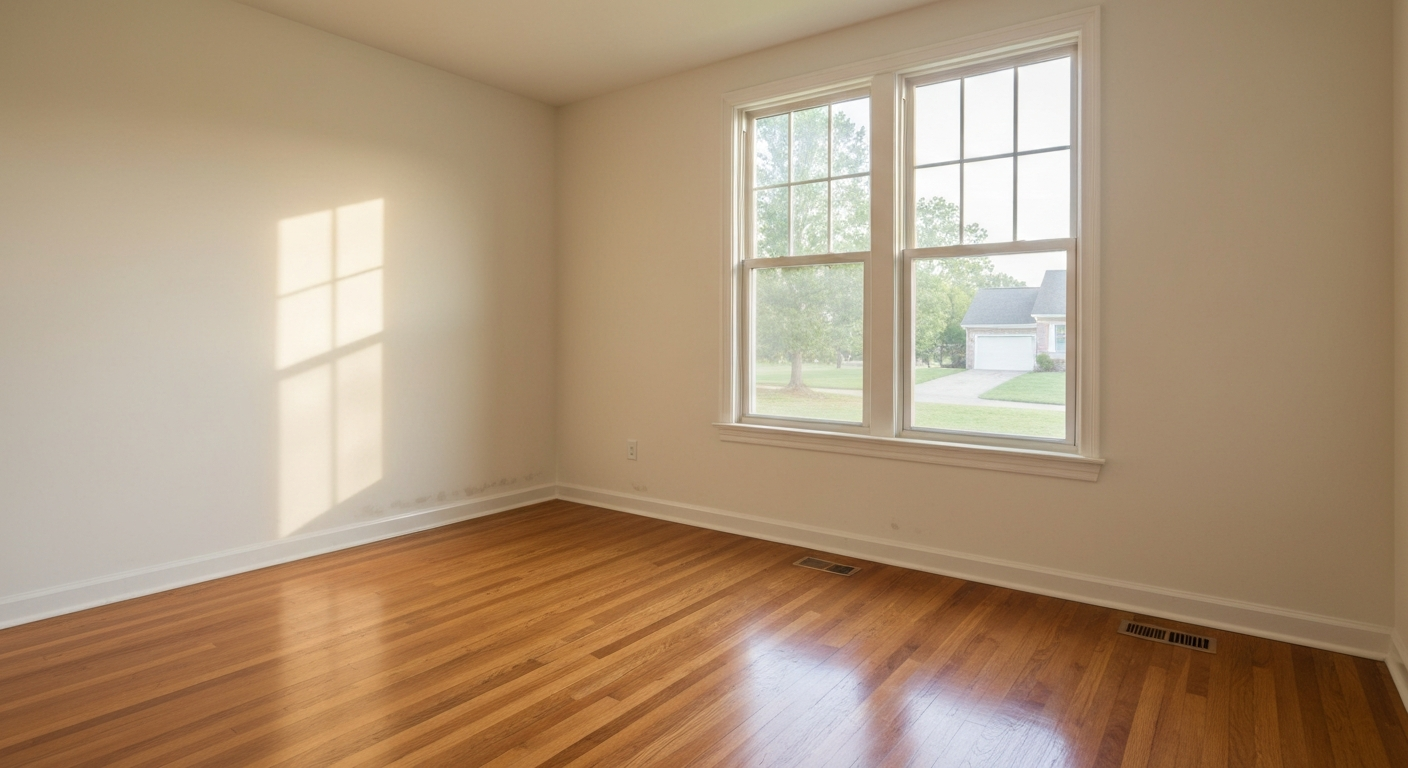
At McBride Property Management, the move-out process is documented in writing — every time, without exception.
Within 30 days of your move-out date, you receive either a full deposit refund or a written itemized statement of any deductions, with supporting documentation. Every deduction is line-itemed by category, dollar amount, and reason. We don't charge for normal wear and tear, we don't lump charges together, and we don't wait until the last moment to mail the statement.
Amber McBride manages our resident offboarding process directly. If you're a current resident with questions about your move-out timeline or the condition report, her team is reachable at ops@mcbride-pm.com or through your AppFolio resident portal.
We maintain the process described in our resident FAQs and encourage every resident to review the move-out expectations well before their move-out date.
If you're still searching for your next rental in the CSRA, our current available rentals page is updated in real time. We manage homes across Evans, Grovetown, Martinez, Augusta, and North Augusta.
For a deeper look at your rights as a Georgia renter — including habitability, repairs, and your right to quiet enjoyment — the Georgia Tenant Rights 2026 guide covers all of it.
One More Thing: Understand the Landlord's Side Too
Before you go to court over a disputed deduction, it helps to read the situation from the other side. The security deposit guide written for CSRA landlords explains exactly what property managers are supposed to document at move-in and what evidence they need to support a deduction.
If your landlord has that documentation — a move-in inspection report you signed, dated photos of damage, contractor invoices — their deductions may be legitimate even if you disagree with them. If they can't produce that documentation, their position is much weaker, and they know it.
The strongest move is to go into the process understanding both sides. That way you know when to push back, when a charge is fair, and when you have a legitimate legal case.
Moving out of a CSRA rental and want to know what to expect?
Whether you're a current McBride PM resident or you're looking for a property management company that actually follows the law on security deposits, our team is straightforward about every step of the process. Visit our resident FAQ page for the complete move-out guide, or browse our available rentals if you're looking for your next CSRA home.
Questions about the process? Call our tenant line at (706) 339-2874 or email ops@mcbride-pm.com.
Noah McBride, Broker McBride Property Management 706.339.2874 Guiding you home.
Ready to Talk Property Management?
McBride Property Management handles the details while you enjoy the returns.
Talk to our team about your property