CSRA Rental Emergency Playbook for Fort Gordon PCS Landlords
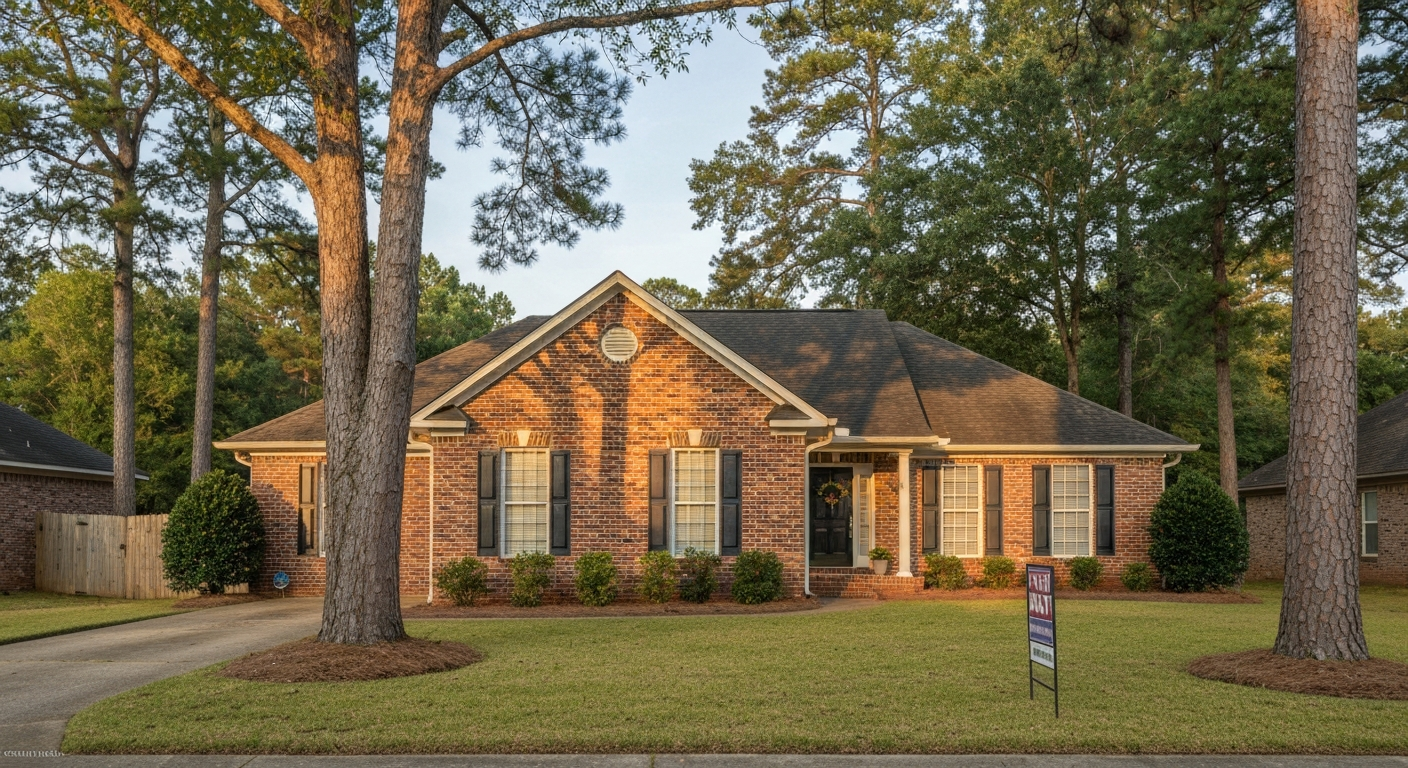
What does a Fort Gordon PCS landlord need in place to handle rental property emergencies from a distance? Before your orders take you out of the CSRA, lock in three things: a vetted vendor list with pre-negotiated emergency rates, a written repair-authorization threshold in your PM agreement (typically $300–$500), and an emergency reserve of $1,500–$3,000. These decisions—made before departure—determine whether a July HVAC failure in Augusta costs $400 or $7,500, and whether it ends your tenancy or doesn't.
It's 11:47 p.m. on a Tuesday in July. Your tenant texts: the AC stopped blowing cold. It's 85 degrees inside the house. Outdoor temperature in Evans: 94°F at midnight, with 80% humidity. You're at Fort Liberty, North Carolina—two time zones over—and your phone is the only connection you have to your property.
What happens in the next two hours depends almost entirely on decisions you made months ago, before the lease was signed and before your PCS date was finalized.
If you set a pre-authorized vendor arrangement with a local HVAC company and a repair-threshold in your PM agreement, the property manager dispatches a technician within the hour. By morning the capacitor is replaced, the tenant has cold air, and your total exposure is $380. If you had none of that infrastructure, you're making cold calls to Augusta HVAC companies at midnight, negotiating blind on service rates you've never heard, and your tenant is sleeping with the windows open. Under Georgia's Safe at Home Act, a functioning AC in summer heat is a habitability requirement—not a convenience. That makes your response time a legal matter, not just a customer service one.
This guide covers exactly what to build before your PCS date so the first emergency call costs you an hour of sleep, not a week of stress.
Why Augusta Summers Make HVAC the Highest-Stakes Rental Emergency
Augusta averages more than 38 days per year above 95°F. July and August routinely bring heat indices above 105°F in the CSRA, and a residential air conditioning system running 14–16 hours a day from late May through September takes its hardest punishment here.
When a capacitor fails or a refrigerant line develops a slow leak, it often doesn't announce itself until the peak of summer—exactly when HVAC companies are booking two to three weeks out on non-emergency calls. For a PCS landlord in the CSRA, a broken AC is the most common emergency call and, if mishandled, one of the most consequential.
HVAC failures are not the only summer rental emergency. Augusta averages roughly 46 inches of rain annually, more than Seattle, with much of it concentrated in brief, intense summer thunderstorms. Roof leaks, HVAC condensate line overflows, and storm-driven water entry are regular summer occurrences in Columbia County rentals. Combine heat, humidity, and rain, and you have a property that can go from routine to emergency in a matter of hours—while you're in a duty station meeting or on a field exercise with no cell signal.
The good news: the same emergency infrastructure that handles an HVAC failure handles a burst pipe, an electrical issue, or a storm-related leak. Build it correctly for the most common crisis, and the rest follows.
What Georgia Law Requires When Your Tenant Calls About a Repair
The legal frame matters before anything else, because being far away doesn't change your obligation—it changes the cost of not meeting it.
O.C.G.A. § 44-7-13 is Georgia's baseline repair statute. Under it, every residential lease is deemed to include a requirement that the property is fit for human habitation. A landlord who fails to make necessary repairs within a reasonable time after written notice is liable to the tenant for resulting damages.
The statute doesn't set a fixed clock. "Reasonable time" depends on the nature of the defect. For a paint touch-up, reasonable might be two weeks. For an HVAC failure during an Augusta summer, property managers and courts treat 24–48 hours as the outer boundary of a reasonable response. That means a credible repair attempt—a vendor scheduled and confirmed to the tenant, not "I'm looking into it"—needs to happen within two business days of your tenant's notification.
Georgia's Safe at Home Act (HB 404), signed into law in 2024 and effective for new and renewed leases, raised the habitability floor. The Act explicitly lists functioning heating and cooling systems adequate for the climate as part of the landlord's duty of habitability. In Augusta's summer, that language closes any debate about whether a broken AC is an emergency.
If a tenant sends written notice of a habitability-affecting defect and you fail to repair within a reasonable time, Georgia law permits them to pursue several remedies: damages, a rent reduction, and in some cases lease termination. The repair-and-deduct option is limited under Georgia law compared to some other states, but the liability exposure for a documented non-response is real.
This is general guidance from a property manager—not legal advice. Talk to a Georgia real estate attorney for your specific situation.
The Four Emergency Categories CSRA PCS Landlords Should Plan For
Not every crisis is the same. Here's how the most common CSRA rental emergencies break down by urgency, typical cost range, and who bears the repair obligation:
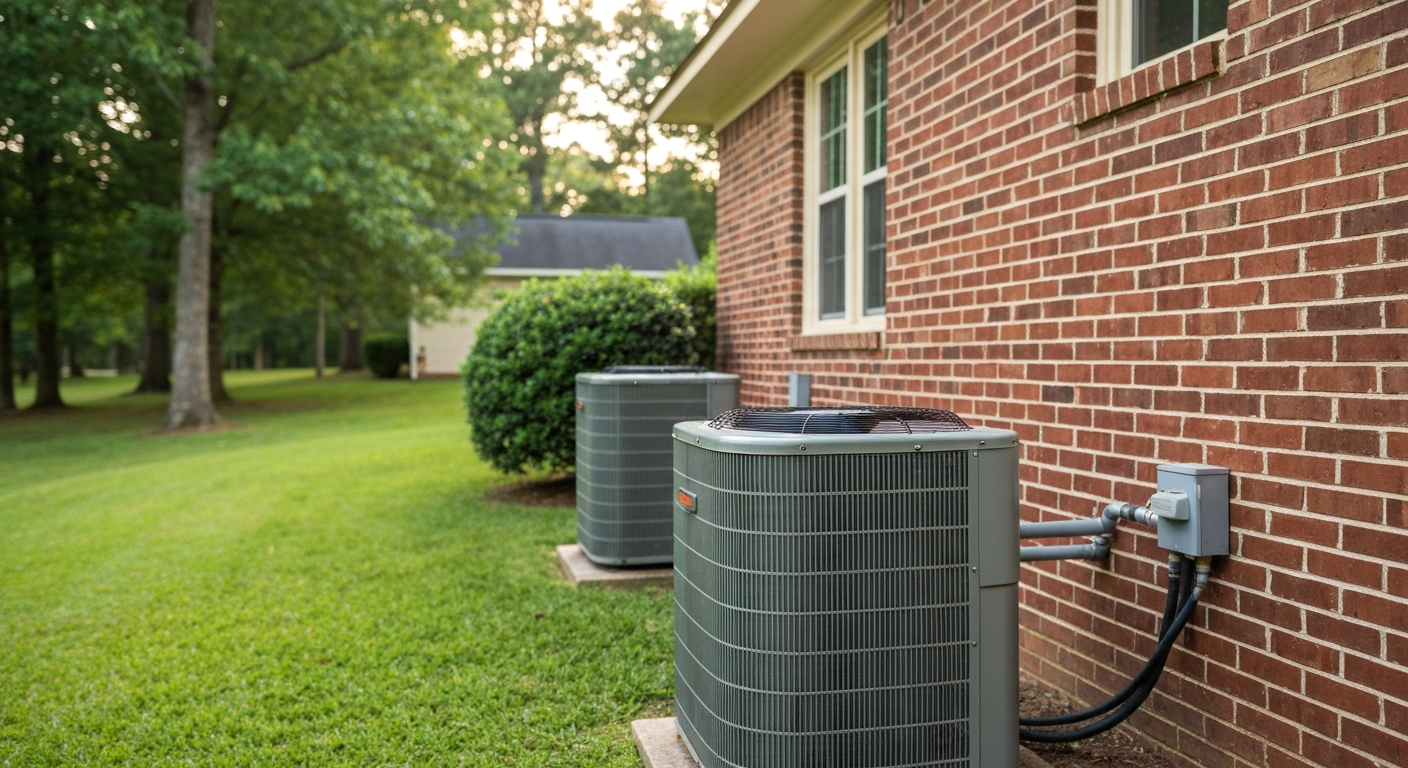
Category 1: HVAC System Failure Urgency: High — habitability issue in summer heat or winter cold Typical repair cost: $150–$2,500 depending on the component (capacitor, contactor, refrigerant recharge, blower motor) Full system replacement: $5,800–$7,500 all-in for a standard 3-ton, 16 SEER2 system in Augusta, per Project Cost Atlas Augusta HVAC data; the full range runs $6,370–$14,210 depending on home size and unit complexity Summer call premium: HVAC companies in Augusta charge 10–20% more during peak season due to demand Who pays: Owner, unless the tenant caused damage through negligence or unauthorized modification
Category 2: Water Intrusion and Plumbing Failure Urgency: High — structural damage and mold risk within 24–48 hours of active water intrusion Typical cost: $400–$2,500 for plumbing repair; $3,000–$15,000+ if drywall, flooring, or cabinetry is affected Who pays: Owner for plumbing or roof failure; tenant's renters insurance for personal property damage Augusta-specific note: Condensate line overflows from overtaxed AC units are common mid-summer and can drip into drywall for days before a tenant notices. Pre-PCS, confirm your condensate drain is clean and add a float switch if the unit doesn't already have one.
Category 3: Lockout and Access Urgency: Medium — inconvenient but typically not habitability-level unless a lock mechanism failed Typical cost: $75–$250 for a locksmith call Who pays: Tenant if the lockout is from a lost or misplaced key; owner if a lock mechanism failed Prevention: Your PM should hold a master key and have a 24-hour lockout protocol. This eliminates your involvement entirely.
Category 4: Electrical, Gas, and Utility Failure Urgency: Critical if safety-related (circuit arcing, burning smell, gas odor); medium-high if it's only inconvenient Typical cost: $200–$1,500 for electrical repairs; utility outages may be the utility company's problem Who pays: Owner for equipment or wiring failure; utility company for service outages Protocol note: Any gas smell or arcing electrical issue always warrants a 911 call and utility shutoff first. Your tenant and PM should have this protocol written out and signed at move-in.
The Pre-PCS Infrastructure That Determines How Emergencies End
This is the section that separates landlords who handle emergencies smoothly from those who spend the night on the phone with a panicked tenant. The work happens before your departure—not the night of the first call.
Build a pre-vetted vendor list
Identify at least one HVAC company, one licensed plumber, and one licensed electrician who serve your rental's ZIP code and will accept after-hours calls. Ask each vendor:
- What's your emergency diagnostic fee?
- Do you work with property management companies?
- Will you accept phone or email authorization from a PM for repairs up to [your threshold]?
Companies that work regularly with property managers are faster and more professional in emergency situations—they're accustomed to the authorization chain. If you're handing your property to a professional manager before PCS, ask them which vendors they use. McBride PM maintains pre-vetted relationships across Columbia County, Richmond County, and into the North Augusta market. When you put your property under management before your orders date, you're inheriting that vendor infrastructure—not building it cold.
Set a repair authorization threshold in writing
Your PM agreement should include a specific pre-authorized repair limit—the dollar amount below which the PM can dispatch and pay a vendor without contacting you first. Most CSRA landlords set this at $300–$500.
Here's why the threshold matters in practice: a standard HVAC diagnostic call and capacitor replacement in Augusta currently runs $280–$440, depending on the vendor and whether it's an after-hours call. If your threshold is $400, the PM handles it the same evening, the tenant has cold air, and you see the line item in your next monthly statement. If you require a phone call for anything over $100, you are the bottleneck in a situation that requires same-day action when you may be unreachable.
Above the threshold, the PM contacts you for authorization. Set a clear communication channel for this—text is better than email for genuine emergencies. Specify that a late-night call or text is appropriate if a repair above the threshold is time-sensitive. Amber McBride manages repair approvals and owner communications at McBride PM, and our owner portal logs every request so you have a complete record regardless of time zone.
Fund an emergency cash reserve
Keep $1,500–$3,000 liquid and earmarked for your CSRA rental. This is not your general savings—it's the fund your PM can draw against when an emergency exceeds your threshold and fast decisions are needed.
The math behind the number: an HVAC repair ranges from $280 to $2,500 depending on the component. A full condenser replacement in Augusta runs $5,800–$7,500 all-in. If your tenants can't go without AC in late July and a repair isn't viable, a replacement call has to move—and same-week installation in the Augusta summer market can carry a $500–$800 premium over off-peak pricing. The reserve prevents emergency decisions from being driven by cash flow constraints rather than by what's actually best for the property and the tenancy.
Document every major system before you leave the CSRA
Walk the property with your phone camera before your PCS move date. Photograph and log:
- HVAC: Brand, model number, installation year, filter size, and last service date. If you've never serviced it, have it serviced before you leave—a $120–$150 tune-up may prevent a $400–$800 emergency call six months later.
- Water heater: Brand, capacity, age, and serial number (the serial number typically encodes the manufacture date).
- Electrical panel: Amperage, breaker labels, and any visible concerns. Note whether it's a panel brand with a known recall history.
- Roof: Age, visible condition, any known penetrations or patches.
- Plumbing shutoffs: Location of the main shutoff, individual fixture shutoffs, and the water heater shutoff.
When a technician is diagnosing your system at 9 p.m. and has questions, you can text them the model number from whatever time zone you're in. The McBride PM CSRA Landlord Field Guide includes a systems documentation template you can fill in before departure—a single reference document for your PM, your vendors, and yourself.
You can also review the complete pre-departure checklist in the PCS Landlord Quick-Start Guide, which covers everything from the systems log to tenant communication expectations and the Section 121 military capital gains exclusion.
The Emergency Communication Chain (Who Calls Who, and When)
Give your tenant a written emergency protocol at lease signing. Clarity here prevents the 2 a.m. call to your personal cell phone that you can't do anything about anyway.
A well-structured emergency chain looks like this:
- Immediate safety threat (fire, gas smell, visible sparks, active flooding): Call 911 first, then call the PM emergency line.
- Habitability emergency (AC out in summer heat, heat out in winter cold, no running water, sewage backup): Call the PM emergency line. The PM handles all dispatch.
- Urgent but non-immediate issues (HVAC not cooling as well as usual, slow drain, sticking lock): Submit a maintenance request through the PM portal by the end of the next business day.
- Routine maintenance requests: Standard PM portal process, non-urgent.
Your tenant should not call you first for an emergency. Not because you don't care—but because you have no ability to dispatch a vendor from another state at midnight, and the PM does. Build that expectation from move-in, put it in writing, and your tenants will follow it.

Insurance: What Covers Emergencies and What Doesn't
Standard Georgia landlord insurance—a DP-3 dwelling fire policy—covers sudden, accidental damage: a burst pipe, storm-driven roof damage, a lightning strike that takes out an electrical panel. It does not cover routine wear, gradual deterioration, or ordinary mechanical failure.
That distinction matters when your HVAC compressor fails. If a refrigerant line ruptures from a manufacturing defect, that may qualify as a covered accidental event. If a 13-year-old compressor finally gives out under July load—which is the far more common scenario in Augusta—that's wear and tear, and it's your cost.
Some DP-3 policies offer an optional equipment breakdown rider that covers mechanical and electrical failure of heating, cooling, water heaters, and major appliances. For a CSRA rental with an aging HVAC system, this rider is worth pricing out. A $300–$600 annual rider that covers a $7,500 compressor replacement is straightforward math.
A few other insurance points relevant to PCS landlords:
- Loss of rents coverage: If a covered event—fire, storm damage—makes the property temporarily uninhabitable, loss of rents coverage replaces the rent income during repairs. Confirm this is included in your policy.
- Tenant's personal property: Your landlord policy does not cover your tenant's belongings. The standard lease addendum should require tenants to carry renters insurance. Georgia's Safe at Home Act doesn't mandate tenant insurance, but your lease can.
- Liability: Your landlord policy should include personal liability coverage. If a maintenance failure contributes to a tenant injury, your liability exposure without coverage is significant.
For a full breakdown of coverage types and what Augusta-area landlord policies commonly include and exclude, see the McBride PM Georgia landlord insurance guide.
When to Involve Your Property Manager vs. Handle It Yourself
If you have a property manager, the clean rule is: below your authorization threshold, they handle it without calling you. Above it, they call you for authorization and then handle it.
Your role in an emergency is not to coordinate vendors from a distant duty station—it's to be reachable, make fast financial decisions above the threshold, and stay in the loop via your owner portal. The repair coordination, vendor communication, and tenant follow-up are what you're paying a management fee for.
If you're currently self-managing and considering what that structure looks like before an upcoming PCS, run the math. The PCS Landlord 60-Day Timeline post covers the full pre-departure checklist—but emergency protocols are the piece most self-managing landlords skip, which is also the piece that generates the most expensive surprises.
McBride PM manages properties across the CSRA—Evans, Grovetown, Martinez, Harlem, and into Augusta city and North Augusta—and emergency coordination is part of the standard management service. The right time to set up professional management is 60–90 days before your PCS date, not the week before you drive away. Request a free rental analysis through our contact page—a 30-minute call with our team will tell you what your property should rent for and whether professional management works financially for your situation.
The Paper Trail That Protects You Later
Every emergency interaction should generate documentation. This is not bureaucracy—it's evidence if a habitability dispute, a security deposit deduction, or an insurance claim ever comes up after the fact.
For every maintenance or emergency event, your file should include:
- The original tenant notification in writing (text, email, PM portal entry)
- Your response (or the PM's response) with a timestamp
- The vendor work order and invoice
- Photographs taken at the time of repair
- Written confirmation from the tenant that the repair was completed and the issue is resolved
Georgia law places the burden on the landlord to demonstrate prompt response to habitability issues. That burden is easy to meet if you have the paper trail. It's nearly impossible to meet if the only record is a phone call that happened two months ago.
The McBride PM Annual Property Inspection form generates a dated baseline for your property's condition each year—a foundation that makes emergency documentation faster and more credible in any subsequent dispute.
If you're managing remotely through an AppFolio-based PM (which is what McBride PM uses), every work order, invoice, and tenant communication is logged with a timestamp in the owner portal. You can pull a complete maintenance history from any device, from any time zone, any time you need it.
The Pre-PCS Emergency Checklist
Before you hand over keys and get on the highway:
- [ ] Three pre-vetted vendors: HVAC, plumber, electrician—with after-hours emergency rates documented
- [ ] PM agreement includes a written repair authorization threshold ($300–$500)
- [ ] Emergency communication chain written and signed by tenant at move-in
- [ ] Major systems photographed and logged (HVAC model/age, water heater, electrical panel, shutoff valve locations)
- [ ] Landlord insurance reviewed; equipment breakdown rider considered and priced
- [ ] Emergency cash reserve ($1,500–$3,000) liquid and earmarked specifically for the rental
- [ ] PM has your emergency contact: best phone number, current time zone, and any communication blackout windows (field exercises, deployments)
- [ ] You have online access to the PM owner portal from your new duty station
If you're also thinking ahead to the financial picture—depreciation, Schedule E deductions, or the capital gains math when you eventually sell—the Operating Expenses Worksheet covers the full annual cost structure for CSRA rental owners, with local expense benchmarks built in. And for the complete remote operations playbook beyond emergencies, the Managing Your CSRA Rental Remotely After Fort Gordon PCS guide covers monthly statements, annual inspections, lease renewals, and the Section 121 military exception.
Ready to hand off emergency coordination before your next PCS?
McBride Property Management handles emergency repair dispatch, vendor coordination, and tenant communication for rental properties across Evans, Grovetown, Martinez, and Augusta. If you're approaching a PCS date or currently managing a CSRA property from a distance, request a free rental analysis at mcbride-pm.com/contact/ or call (706) 339-2874. Amber McBride oversees owner onboarding and will walk you through exactly what transfers to us on day one.
Download the PCS Landlord Quick-Start Guide for the complete pre-departure setup checklist.
Noah McBride, Broker McBride Property Management 706.339.2874 Guiding you home.
Ready to Talk Property Management?
McBride Property Management handles the details while you enjoy the returns.
Talk to our team about your property