CapEx Planning for CSRA Rental Properties: What to Budget in 2026
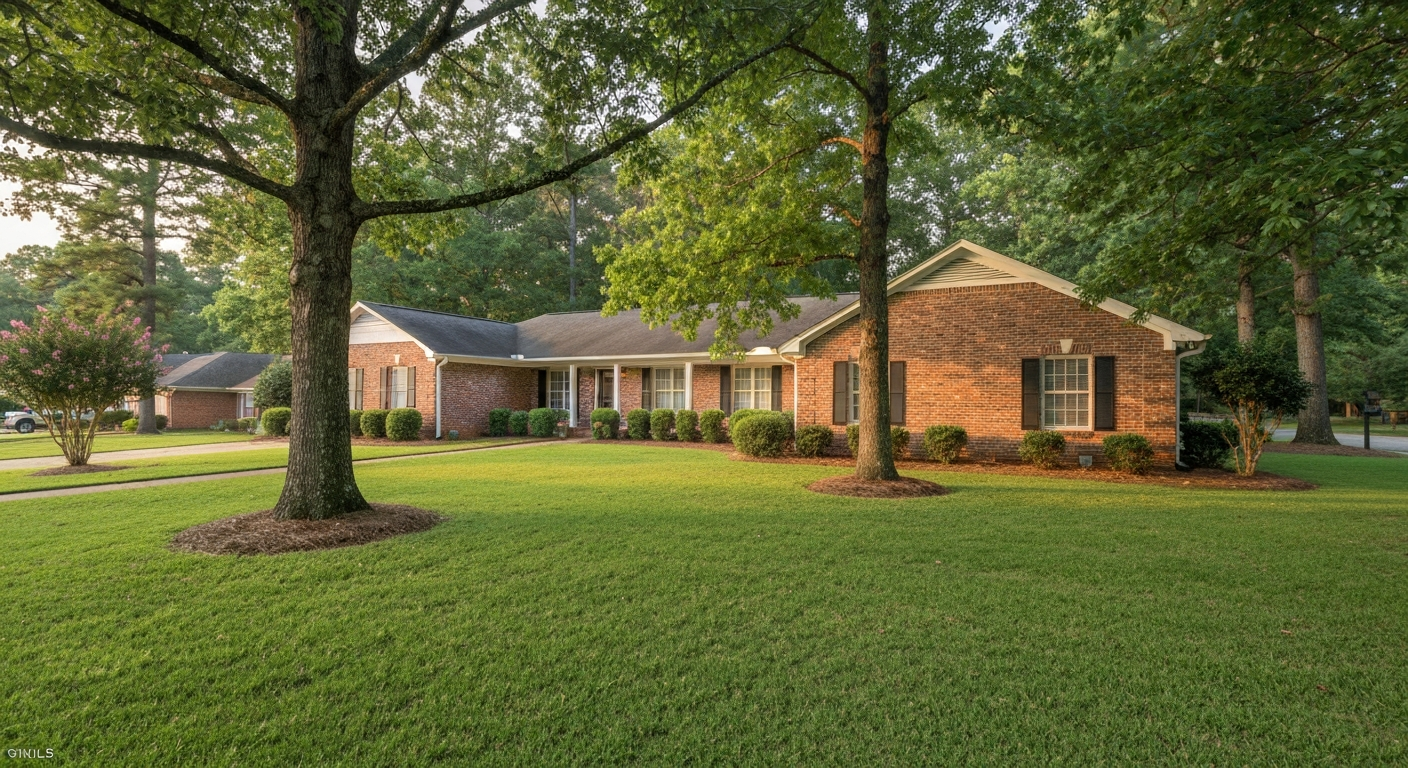
How much should an Augusta-area rental property owner set aside for capital expenditures? Most CSRA landlords should reserve 1.5–2% of their property's current value annually for CapEx—$3,750–$5,000/year on a $250,000 home—on top of routine maintenance budgets. Augusta's humid, high-heat summers accelerate HVAC wear beyond national averages, making a component-based reserve plan more accurate than a simple percentage rule alone.
Your tenant pays rent on the first of every month and you handle repairs as they come up. That rhythm feels manageable—until it doesn't. The broken faucet and the burst pipe are inconvenient. What actually derails a rental property's cash flow is the $9,000 HVAC unit that quit in August, followed eleven months later by a roof that couldn't survive another summer of afternoon thunderstorms, and then a water heater that finally gave out after seventeen years of use.
None of those are emergencies in the traditional sense. All three are predictable. And all three hit the same Columbia County rental property built in 1997—which means its major systems were installed around the same time and are aging toward the same replacement windows simultaneously.
That convergence problem is the most common capital expenditure blind spot we see at McBride Property Management. Landlords who plan for it stay ahead of it. Landlords who don't absorb $25,000–$35,000 in a single bad year and wonder what happened to their returns.
What Counts as CapEx—and Why the Distinction Matters
The IRS draws a firm line between a repair and a capital improvement, and it matters because they're deducted differently.
A repair restores something to its existing condition: patching a roof leak, replacing a broken window pane, fixing a dripping faucet. Repairs are ordinary and necessary business expenses—fully deductible in the year you pay them, as defined in IRS Publication 527 (Residential Rental Property).
A capital expenditure improves the property, extends its useful life, or adapts it to a different use: replacing the entire roof system, installing a new HVAC unit, replacing flooring throughout the home, adding a fence. CapEx is capitalized—added to your property's depreciable basis—and recovered over multiple years.
The practical consequence: a $9,000 HVAC replacement doesn't show up as a $9,000 expense on your Schedule E in the year you write the check. Under standard IRS rules, residential rental property and its structural components depreciate over 27.5 years. That same system may qualify for faster cost recovery under the bonus depreciation rules discussed later in this post—but only if you're working with a CPA who knows the difference.
This is also why CapEx reserves must be tracked separately from your routine maintenance budget. If you're already allocating 8–10% of gross rent for ordinary repairs and upkeep, that's the right number for day-to-day property management. The capital reserve is a second, parallel line item—money you're setting aside today for replacements that are two, five, or ten years out.
Why Augusta's Climate Accelerates Component Wear
National rule-of-thumb estimates for component lifespans are calibrated to average U.S. conditions. Augusta, GA is not average.
The CSRA sits in USDA Hardiness Zone 8a, with summer heat indexes routinely exceeding 100°F from May through September and relative humidity that keeps air conditioning running continuously for six months or more each year. That thermal load affects every major system in a rental home:
HVAC: In cooler markets, a well-maintained central air and heat system may last 15–20 years. In Augusta, the realistic planning horizon is 12–15 years—and closer to 10–12 without documented annual maintenance. The condenser coil on an outdoor unit in full afternoon sun on the south side of a brick Evans ranch is working harder than one in Ohio or Minnesota. Budget for replacement at year 12 on any unit without a verifiable service history, regardless of what the nameplate says.
Roof: Asphalt shingles are rated for 20–25 years, but UV exposure and the thermal cycling of Augusta summers—rooftop temperatures can reach 150°F in July—shorten the practical lifespan of three-tab shingles to 15–20 years. Architectural shingles hold up better. If your rental has three-tab shingles and is past year 15, it belongs on your capital planning radar now, not when it starts leaking.
Water heater: Standard tank water heaters have an 8–12 year service life. Sediment buildup—common with CSRA water chemistry—is a leading cause of early failure. A unit that's 10 years old and hasn't been flushed annually is a near-term CapEx item regardless of whether it's currently operational.
Foundation and structural: Augusta's heavy clay soil expands and contracts with seasonal moisture variation more dramatically than sandy or loam soils. This doesn't mean foundations frequently fail, but it does mean hairline cracks and door or window frame alignment deserve attention during annual inspections—particularly on slab-on-grade construction common throughout Grovetown, Evans, and Martinez.
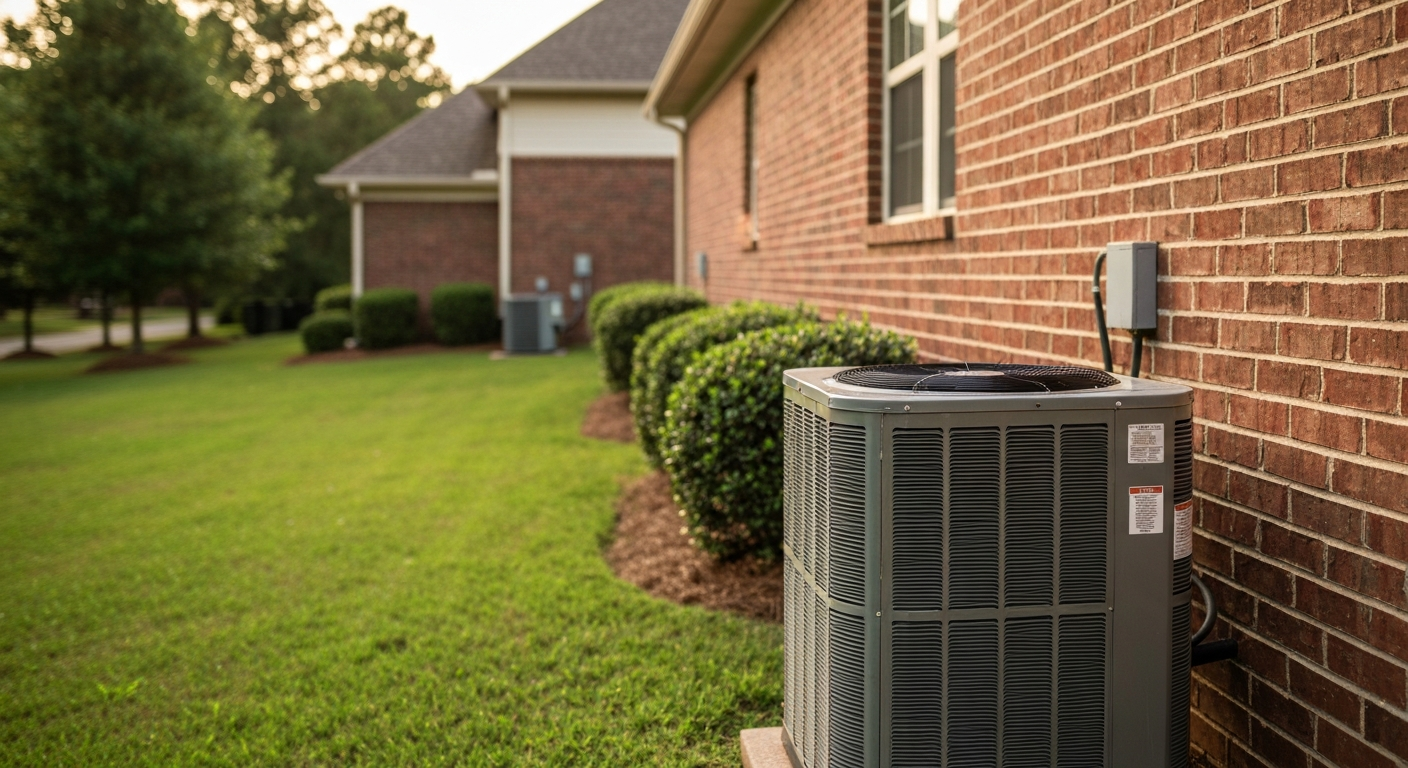
Component Replacement Costs: Augusta-Area Benchmarks
These ranges reflect what Augusta-area landlords are paying in mid-2026 based on local contractor and national cost-data sources. Always get two or three quotes before committing to a specific project—costs shift with material prices and seasonal contractor demand—but use these as planning anchors:
| Component | Typical Augusta-Area Cost | Expected Life (CSRA) |
|---|---|---|
| HVAC system (central A/C + heat) | $6,400–$14,200 | 12–15 years |
| Roof (architectural shingles, avg. house) | $5,000–$15,000 | 15–20 years |
| Water heater (40-gal tank, installed) | $1,200–$2,800 | 8–12 years |
| Refrigerator | $800–$1,800 | 10–15 years |
| Range/oven | $600–$1,400 | 12–18 years |
| Dishwasher | $500–$1,200 | 8–12 years |
| Carpet (1,200 sq ft, installed) | $2,400–$5,500 | 5–8 years (rental wear) |
| Luxury vinyl plank flooring (1,200 sq ft) | $3,500–$7,000 | 15–25 years |
| Interior paint (full repaint) | $2,500–$5,000 | 5–8 years |
| Exterior paint | $3,000–$8,000 | 5–10 years |
| Garage door (standard single, installed) | $900–$2,200 | 15–25 years |
HVAC range: Project Cost Atlas – HVAC Replacement Augusta, GA. Roof range: Penn Roofing – New Roof Cost Augusta, GA. Always verify with current local quotes.
Two notes on that table worth highlighting:
Flooring choice has a significant CapEx impact. Carpet in a rental averages 5–8 years before replacement is necessary; luxury vinyl plank (LVP) averages 15–25 years and handles Augusta's humidity better. The upfront premium on LVP typically pays back within one or two turnover cycles through lower CapEx and less make-ready labor. For properties in active rotation, the math generally favors LVP at replacement time.
Appliances are the easiest CapEx items to overlook—and the ones that fail most visibly. A refrigerator failure at 11:00 PM in July on a property you manage creates an emergency call, a tenant satisfaction problem, and a same-week replacement. Building appliance ages into your CapEx schedule eliminates most of that. A unit that's 12 years old should already be in your two-year replacement forecast.
How Much Should You Reserve? Three Methods
No single formula is right for every situation, but these three approaches help you triangulate:
The Percentage-of-Value Rule
Reserve 1.5–2% of the property's current market value annually for CapEx. On a $285,000 home in a Columbia County subdivision, that's $4,275–$5,700/year. The advantage is simplicity. The limitation: it doesn't distinguish between a 2015 build in Grovetown with all original systems and a 1994 ranch with an aging HVAC and a 19-year-old roof. Use this as a floor and a sanity check, not a final number.
The Income Rule
A simpler operational version: set aside 8–10% of gross rent in a dedicated CapEx account, separate from your operating budget. On a property renting for $1,650/month ($19,800/year), that's $1,584–$1,980/year. This works as a starting point for newer properties. For homes built before 2000, the percentage-of-value calculation will almost always produce a higher—and more accurate—target.
The Component-Based Method
The most accurate approach: build a spreadsheet with every major component, its estimated age, its expected replacement year, and its replacement cost. Divide each component's replacement cost by the years remaining before planned replacement. Sum all components to get your annual accrual target.
Example: an HVAC system that's 11 years old, with a $10,000 replacement cost and 3 remaining years in the planning window → $3,333/year. A roof at year 14 of 20 with an $8,000 estimated replacement cost → $1,333/year. A water heater at year 9 of 11 with a $2,000 replacement cost → $1,000/year. In this example, CapEx reserves for just these three systems total $5,667/year before you even count appliances and flooring.
This method reveals the convergence problem with hard numbers. It also shows you which years your cash needs will spike—important information if you're deciding when to raise rent or whether to hold extra reserves in a given year.
The McBride PM CSRA Landlord Field Guide includes a component inventory template you can adapt for this purpose. For a complete picture of how CapEx reserves fit into your property's operating budget, the Operating Expenses Worksheet walks through CSRA-specific benchmarks from repairs to management fees to reserve contributions.
The OBBBA Factor: CapEx Meets 2026 Tax Strategy
If you've replaced appliances, flooring, or other personal property in your rental since January 19, 2025, there's a material tax angle worth understanding before you file.
The One Big Beautiful Bill Act, signed in 2025, restored 100% bonus depreciation for qualifying personal property placed in service after January 19, 2025. The IRS issued formal interim guidance confirming the rules in IRS Notice 2026-11.
What qualifies: furniture, appliances, carpeting, window treatments, fencing, paving, landscaping, and other 5-year or 15-year property. What does not qualify: the building structure itself, which still depreciates over 27.5 years as residential rental property under standard IRS rules.
In practice, this means an Augusta-area landlord who spent $11,000 on new appliances and LVP flooring during a mid-2025 turnover may be able to deduct the full $11,000 in the year placed in service, rather than recovering it over 5–7 years under the old phase-down schedule. For an owner in the 22% or 24% bracket, that's a meaningful difference in first-year tax liability.
The important offset: depreciation recapture still applies when you eventually sell. An accelerated deduction today doesn't eliminate the tax—it defers it. Coordinating CapEx purchases with bonus depreciation strategy requires working with a CPA who handles rental real estate. This is general guidance from a property manager—not legal or tax advice; consult a Georgia CPA for your specific situation.
For a deeper look at how depreciation intersects with a sale decision, what Georgia landlords owe when they sell a rental property covers the recapture math and the planning options. And for a broader view of how CapEx fits into your total tax picture, rental property tax deductions every Georgia landlord should know walks through the full deduction landscape.
Building Your CapEx Plan in Practice
A functioning CapEx reserve system has three components: a tracking document, a dedicated cash account, and an annual review discipline.
The tracking document doesn't have to be sophisticated. A spreadsheet with one row per major component, columns for estimated installation year, expected replacement year, estimated replacement cost, and annual accrual is sufficient. You pull installation years from inspection reports, permit records, or prior owner disclosures—and where records don't exist, you estimate from visible condition. Update it each year after inspection.
The dedicated cash account is non-negotiable. CapEx reserves that live in the same account as rental income disappear into routine expenses within a few months. A separate high-yield savings or money-market account—kept distinct and clearly labeled—is what makes the money available when you need it three years from now. Whether you fund it monthly or quarterly matters less than the consistency.
The annual review keeps the plan accurate. After each annual inspection—McBride PM's inspection process in Evans, Grovetown, Martinez, and surrounding areas captures condition notes on every major system—update the component ages and replacement costs. If a system has declined faster than expected, move the replacement year forward and increase the monthly contribution accordingly. Proactive adjustments cost far less than a mid-lease emergency replacement.
What CapEx Planning Looks Like Under Professional Management
One of the less-visible benefits of professional property management is systematic CapEx coordination. When Amber McBride reviews a property and flags a 13-year-old HVAC unit in the annual inspection notes, that information goes into the owner's AppFolio report with a recommendation to budget for replacement within 18–24 months. The owner isn't surprised by a late-July emergency call—they have a capital line item already building.
Timing CapEx to tenant turnover also matters more than most owners realize. An HVAC replacement during an occupied lease is inconvenient for everyone involved; planned during the two-week window between tenants, it happens on the landlord's schedule rather than in response to a breakdown. That kind of coordination requires communication between the management team, the owner, and the vendor network—the kind of operational detail that gets lost when landlords are self-managing multiple properties or working from out of state.
For owners considering whether that coordination is worth the management fee, the true cost of self-managing a CSRA rental runs the full comparison including hidden time costs and missed timing windows. To see how CapEx reserves affect your real cash flow numbers, our CSRA rental property cash flow analysis walks through the full NOI calculation for a Columbia County example with reserves built in.
If your rental is in Evans or the surrounding Columbia County area, our Evans and Grovetown pages include specific context on the housing stock common in those communities.
Take CapEx surprises off your plate. McBride Property Management's annual inspection process captures condition notes on every major system at your property—so you know what's aging before it fails, not after. We serve Evans, Grovetown, Martinez, Augusta, and the broader CSRA.
Request a free rental analysis to discuss your property's capital picture, or download the CSRA Landlord Field Guide for a comprehensive reference on CSRA operating benchmarks. Reach us directly at (706) 339-2874.
Noah McBride, Broker McBride Property Management 706.339.2874 Guiding you home.
Ready to Talk Property Management?
McBride Property Management handles the details while you enjoy the returns.
Talk to our team about your property