Summer Maintenance Checklist for Augusta-Area Rental Properties
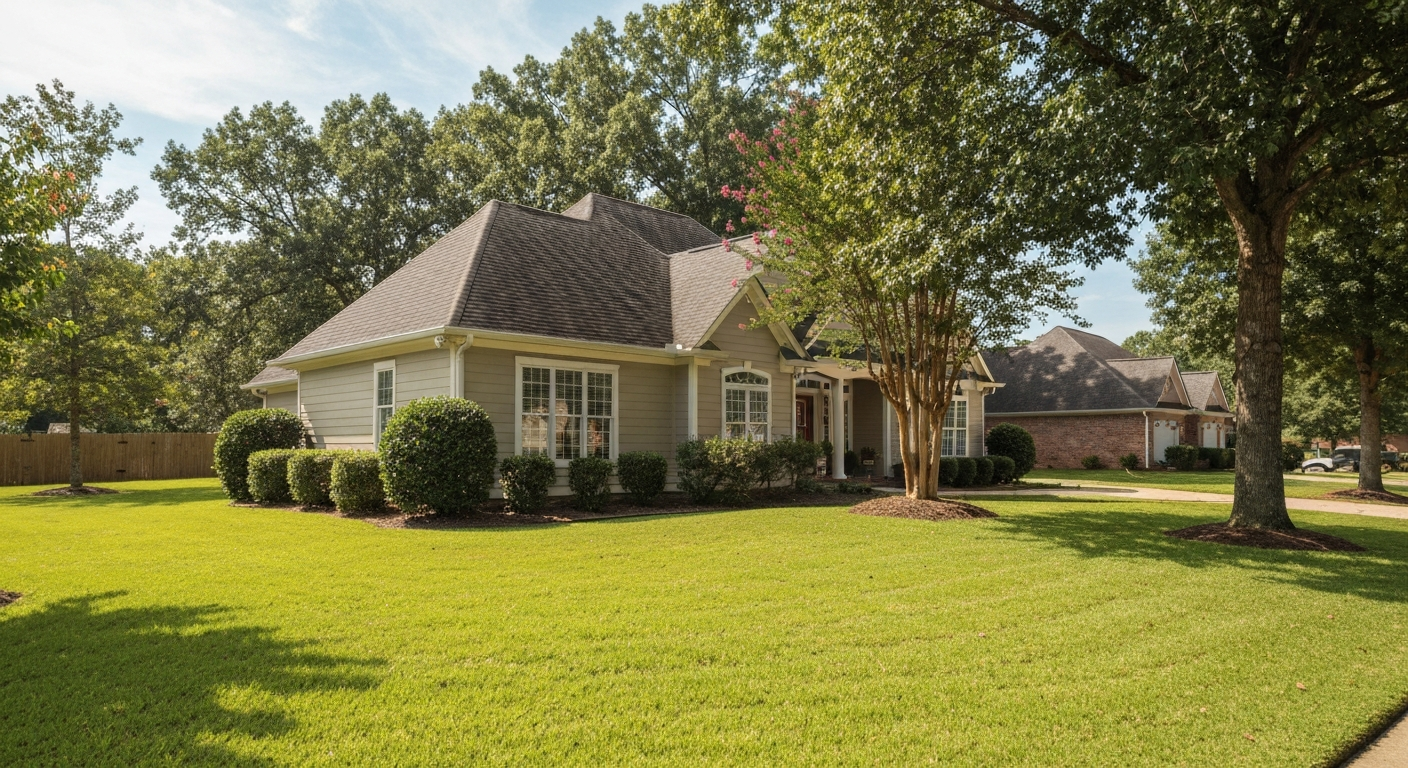
If you own a rental property anywhere in the Augusta metro — whether it's a single-family home in Evans, a duplex in Grovetown, or a townhome in North Augusta — you already know what summer does to a house down here. Temperatures regularly push past 90°F from June through September, humidity hovers around 70%, and afternoon thunderstorms can dump inches of rain in under an hour.
What you might not realize is how much of the expensive damage landlords face in July and August could've been prevented with a few hours of targeted work in late April or early May. An emergency HVAC replacement can run $5,000 to $8,500 or more, and that's before you factor in the tenant frustration, potential lease breaks, and vacancy costs that come with it.
This checklist walks through the maintenance tasks that matter most for rental properties in Columbia County, Richmond County, and Aiken County — organized by priority so you can tackle the high-impact items first.
HVAC: The Single Most Important System to Service
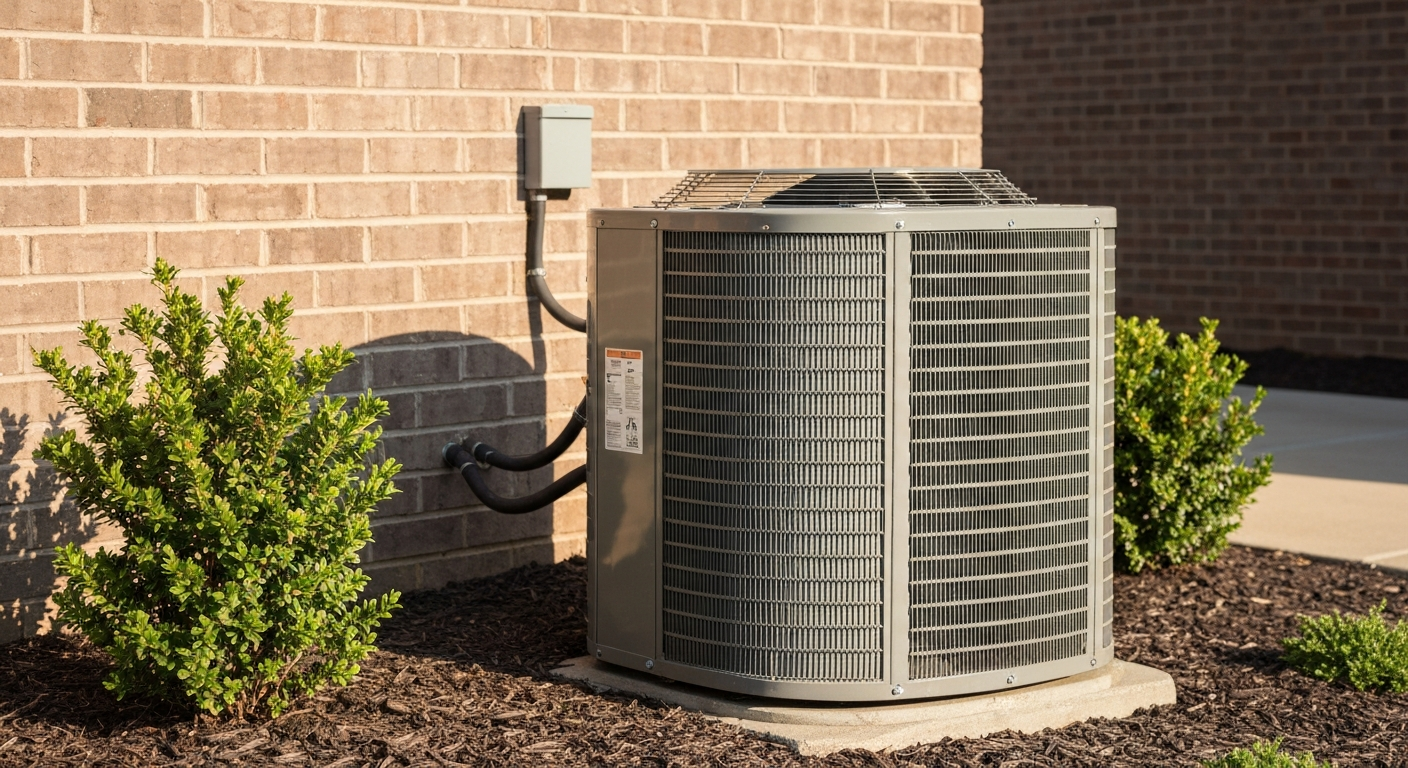
Your air conditioning system is the backbone of a livable rental property in the CSRA. When the heat index in Augusta climbs past 100°F (it regularly hits 107°F or higher by August), a failed AC unit isn't just uncomfortable — it's a habitability issue that can trigger repair-and-deduct remedies under Georgia landlord-tenant law.
Here's what a proper pre-summer HVAC service should include:
Filter Replacement
Augusta's pollen season runs roughly March through May, and during peak weeks, filters can clog in half their normal lifespan. If you haven't replaced filters since early spring, do it now. For most rental properties in the Evans 30809 or Martinez 30907 ZIP codes, a standard 1-inch pleated filter should be swapped every 30 to 45 days during pollen season, then every 60 to 90 days through the rest of the summer.
Professional Tune-Up
A licensed HVAC technician should inspect refrigerant levels, clean evaporator and condenser coils, flush the condensate drain line, and test capacitors and contactors. This typically costs $75 to $150 per unit — a fraction of what an emergency call in July will run you. Schedule this before local contractors hit peak demand in June.
Thermostat Settings
If your rental has a programmable thermostat, consider setting it to 78°F as a default. This balances tenant comfort with energy efficiency and reduces strain on the system. If you're between tenants, don't set the AC above 85°F — high interior temps combined with Augusta's humidity can create conditions for mold growth in as little as 48 hours.
Moisture and Mold Prevention
Humidity is the quiet destroyer of rental properties in the Augusta area. The combination of outdoor humidity averaging around 70% and indoor AC systems running constantly creates condensation anywhere warm air meets cool surfaces — around ceiling vents, behind walls, in closets, and inside bathrooms.
Walk the Property
Before summer starts, physically walk through your rental (or have your property manager do it) and look for discoloration around ceiling vents, soft spots near windows, musty odors in closets and laundry rooms, and any visible moisture around bathroom exhaust fans. Catching mold early is a $200 remediation. Catching it late can mean replacing drywall, subfloor, and cabinetry — easily a $2,000 to $5,000 job.
Check Bathroom and Kitchen Ventilation
Make sure exhaust fans in bathrooms actually vent to the exterior, not into the attic. This is a surprisingly common issue in older homes throughout the Hephzibah and Appling areas of Richmond County. An exhaust fan dumping humid air into your attic is essentially an invitation for mold and wood rot.
Crawl Space and Foundation
For properties with crawl spaces — common in many Aiken, SC and Beech Island neighborhoods — check that the vapor barrier is intact and that foundation vents are clear. Standing water or saturated ground under your rental during summer storms will push moisture up through the subfloor.
Roof, Gutters, and Exterior Drainage
Summer storms in the Augusta area aren't gentle. The CSRA regularly sees severe thunderstorms from May through September, and the damage they cause to neglected roofs and drainage systems is one of the top insurance claim categories for landlords.
Roof Inspection
You don't need to climb up there yourself. A visual inspection from the ground with binoculars can catch missing or curling shingles, damaged flashing around vents and chimneys, and debris buildup in valleys. For properties in wooded areas — common throughout Columbia County neighborhoods like Westlake and Deer Chase in Evans — overhanging branches should be trimmed back at least six feet from the roofline.
Gutters and Downspouts
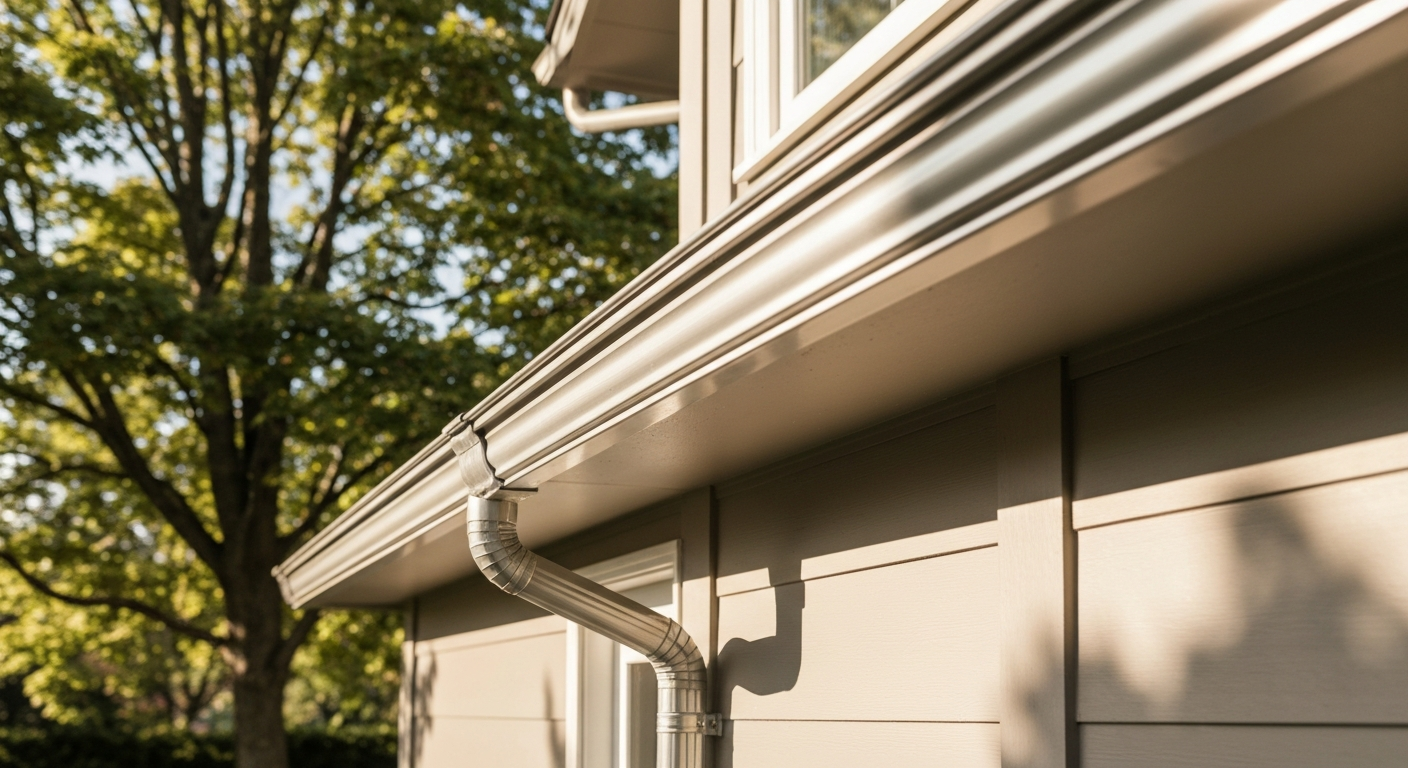
Clogged gutters cause fascia rot, foundation erosion, and basement flooding. Clean them out, confirm downspouts direct water at least four feet away from the foundation, and check for any sagging sections. This is a $100 to $200 job if you hire it out, and it prevents thousands in water damage.
Grading and Drainage
Walk the perimeter of the property after a rain and note where water pools. The ground should slope away from the foundation on all sides. If water collects near the foundation, regrading that area costs far less than repairing water intrusion damage.
Pest Control
Warm, humid summers in Georgia bring predictable pest pressure — termites, mosquitoes, roaches, and fire ants all peak between May and October. For rental properties, pest issues are both a habitability concern and a property preservation issue.
Termite Bond
If your property doesn't have an active termite bond, get one. Termite damage is not covered by standard landlord insurance policies, and the subterranean termites common in the Augusta area can cause structural damage that goes unnoticed for months. An annual termite bond typically runs $200 to $350 per year — well worth the protection.
Preventive Treatment
Schedule a perimeter pest treatment before summer. Make sure your pest control provider treats entry points around doors, windows, and where utility lines enter the structure. Communicate the treatment schedule to your tenants in advance.
Tenant Education
Include a note in your seasonal communication to tenants about keeping exterior doors closed, not leaving pet food out overnight, and reporting any pest sightings promptly. Prevention is always cheaper than remediation.
Exterior and Landscaping
Curb appeal affects both tenant satisfaction and long-term property value, but summer landscaping on a rental property is also about preventing damage.
Tree Limbs and Vegetation
Trim branches away from the roof, siding, and power lines. Overgrown vegetation against the house traps moisture and provides pathways for pests. This is especially important for properties in the more established, tree-heavy neighborhoods of Martinez along Washington Road or in the Montclair area of Augusta.
Irrigation and Drainage
If the property has an irrigation system, run each zone and check for broken heads, leaks, and overspray onto the foundation or siding. Adjust the schedule for summer — Augusta typically gets enough rainfall in summer that supplemental irrigation can be reduced.
Exterior Paint and Caulking
Check window and door caulking for cracks or gaps. Deteriorated caulk lets in moisture and insects and makes the HVAC system work harder. A tube of exterior caulk costs $5, and re-caulking windows takes about 30 minutes per unit.
Storm Preparedness
Augusta isn't in the direct coastal hurricane zone, but tropical systems and severe thunderstorms affect the area every summer. As a landlord, you should have a basic storm plan.
Confirm your landlord insurance policy is current and covers wind and water damage. Review what's excluded — flood damage typically requires a separate policy. Know where your property's water shut-off valve is located in case of pipe damage. Keep a current list of reliable contractors (plumber, roofer, electrician) so you're not scrambling after a storm hits everyone's properties at once.
If your property is in a known flood-prone area — parts of south Augusta near the Savannah River, or low-lying sections of North Augusta near the Riverwalk — consider whether supplemental flood insurance through the National Flood Insurance Program makes sense for your situation.
What Georgia Law Requires
Under Georgia's habitability standards, landlords are required to maintain the structure, electrical systems, plumbing, and heating in good working condition. The Georgia Landlord-Tenant Handbook outlines your obligations, and recent updates under the Safe at Home Act have formalized minimum habitability standards that include safe plumbing, working heating and cooling, secure windows and doors, and properties free of infestations.
For South Carolina properties in Aiken County or Edgefield County, landlord obligations are governed by the SC Residential Landlord and Tenant Act, which has its own set of maintenance requirements.
The bottom line: summer maintenance isn't optional for landlords. It's a legal obligation, a financial safeguard, and one of the most effective ways to keep good tenants in place.
When You Don't Have Time to Do It Yourself
If this checklist feels overwhelming — especially if you own multiple properties or you're managing a rental from out of state — that's exactly the gap a professional property manager fills. At McBride Property Management, we handle seasonal maintenance coordination, vendor scheduling, property inspections, and emergency response for landlords across Columbia County, Richmond County, and Aiken County.
Our team conducts regular property inspections that catch maintenance issues before they become expensive repairs. That's one of the biggest advantages of working with a local management company rather than trying to handle everything remotely.
Need help getting your rental properties summer-ready? Noah McBride and the team at McBride Property Management work with landlords across the Augusta metro to keep their investments protected year-round. Call 706.339.2874 or reach out online to talk about your property.
Ready to Talk Property Management?
McBride Property Management handles the details while you enjoy the returns.
Talk to our team about your property