Pet Policy for Your Rental Property in Augusta, GA: A Landlord's Complete Guide
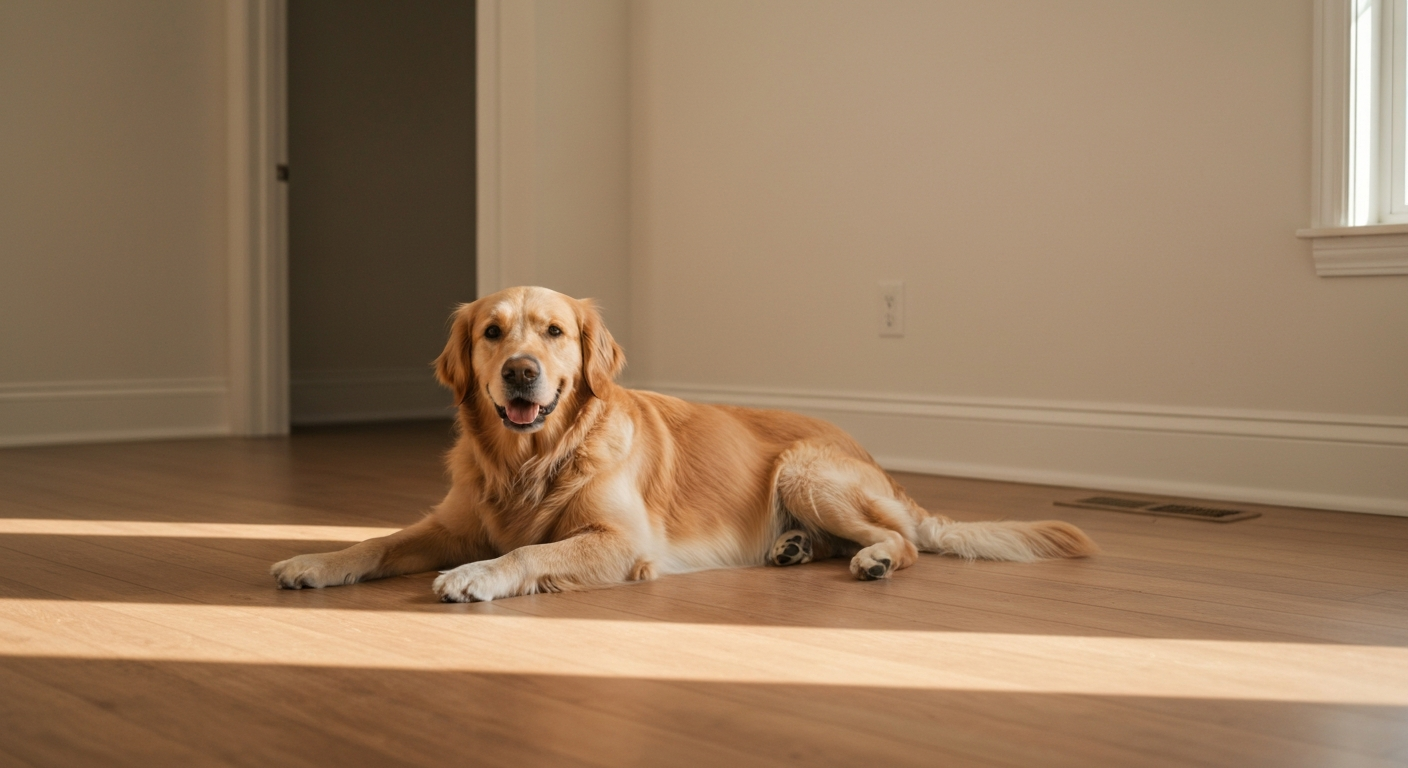
If you own a rental property in Evans, Grovetown, Augusta, or anywhere in the CSRA, you've probably had this conversation with yourself: should I allow pets? And if so, how do I protect my property without scaring off good tenants?
It's a fair question. Pets can cause damage — scratched hardwood, stained carpet, chewed blinds. But refusing pets entirely means you're eliminating a massive chunk of the renter pool. According to the ASPCA, roughly 70% of U.S. households include a pet. In a military-heavy market like Augusta, where Fort Gordon families frequently PCS with dogs and cats, that number tracks even higher.
The smart move isn't to ban pets outright. It's to build a clear, enforceable pet policy that protects your investment while keeping your property competitive. Here's how to do it right under current Georgia law.
Georgia Pet Deposit Rules Under the Safe At Home Act
Georgia's Safe At Home Act (House Bill 404), which took effect July 1, 2024, changed the deposit landscape for every landlord in the state. The law caps total security deposits at two times the monthly rent for leases entered or renewed after that date.
Here's the critical detail: pet deposits count toward that cap. Under Georgia law, damage deposits, pet deposits, and advance rent deposits are all classified as security deposits. So if your property rents for $1,400 per month in Columbia County, your total deposit — including any pet deposit — cannot exceed $2,800.
That's a meaningful constraint, especially if you were previously charging a $1,400 security deposit plus a separate $500 pet deposit. You'll need to structure your fees carefully to stay compliant while still covering your risk.
Pet Deposit vs. Pet Fee vs. Pet Rent
These three terms get used interchangeably, but they're legally distinct — and the differences matter for your bottom line.
Pet deposit — A refundable amount held against pet-specific damage (chewed doors, urine stains, damaged landscaping). In Georgia, this is part of your security deposit and subject to the two-month cap. You must hold it in an escrow account or via surety bond, and you must return the unused portion within 30 days of move-out with an itemized statement.
Pet fee — A one-time, non-refundable charge for allowing a pet on the property. This is not classified as a security deposit in Georgia, so it falls outside the two-month cap. Most landlords in the Augusta area charge between $200 and $500 per pet. Your lease must clearly state that this fee is non-refundable.
Pet rent — A recurring monthly charge on top of base rent. This is also separate from the deposit cap. Across the Augusta metro — including Evans, Martinez, Grovetown, and North Augusta — pet rent typically runs $25 to $50 per pet per month. It compensates you for the incremental wear that comes with animals living in the home.
The strongest pet policies combine all three: a modest pet deposit within your deposit cap, a non-refundable pet fee, and monthly pet rent. This gives you both upfront coverage and ongoing compensation.
Service Animals and Emotional Support Animals: What You Cannot Charge
This is the section where landlords most often get into trouble, so read it carefully.
Under the Fair Housing Act, service animals and emotional support animals (ESAs) are not pets. They are assistance animals that provide disability-related support, and you must allow them regardless of your pet policy. You cannot charge a pet deposit, pet fee, or pet rent for a service animal or ESA. Period.
Here's what you can and cannot do:
You CAN ask for documentation from a licensed healthcare provider confirming the tenant's disability-related need for the animal. This applies to ESAs specifically — service animals trained to perform specific tasks generally require no documentation beyond being identifiable by their behavior.
You CANNOT require a specific form, demand medical records, ask for the tenant's diagnosis, require the letter to be notarized, or insist the animal be registered with any online registry. Those ESA registration websites you see advertised are not legally required, and demanding them could land you in a Fair Housing complaint.
You CAN still hold a tenant financially responsible for any damage their assistance animal causes, just as you would for any other lease violation. The animal's protected status doesn't give the tenant a free pass on property damage.
You CANNOT impose breed or weight restrictions on assistance animals. Even if your pet policy bans pit bulls or dogs over 50 pounds, those restrictions don't apply to legitimate service animals or ESAs.
HUD enforcement of disability-related housing discrimination has increased significantly in recent years. If you manage rental property in Richmond County, Columbia County, or Aiken County, getting this wrong can mean federal complaints, fines, and legal fees that dwarf whatever a pet deposit would have covered.
At McBride Property Management, we handle ESA and service animal requests as part of our standard leasing process — verifying documentation properly while keeping our owners fully compliant with federal and state law.

Building a Pet Policy That Works in the Augusta Market
A good pet policy doesn't just say "pets allowed" or "no pets." It sets clear expectations for both you and the tenant. Here's what to include in your lease addendum:
Species and Size Restrictions
Most landlords in the Augusta area limit pets to domesticated dogs and cats. Some allow small caged animals (hamsters, fish, birds). Exotic animals, livestock, and reptiles are typically excluded. Weight limits of 40 to 75 pounds for dogs are common, though some single-family homes with fenced yards in areas like Harlem, Appling, or Hephzibah can reasonably accommodate larger breeds.
Breed Restrictions
Many landlord insurance policies in Georgia exclude coverage for certain breeds — typically those classified as aggressive by insurers. Check with your insurance carrier before setting breed restrictions. If your policy excludes specific breeds, your lease should reflect that. Just remember: breed restrictions never apply to service animals or ESAs.
Number of Pets
Two pets is the most common limit for single-family rentals in Columbia County and the Augusta metro. More than two significantly increases wear on the property, complicates maintenance, and can create issues with neighbors.
Required Documentation
Require proof of current vaccinations, spay/neuter records (or a plan to do so), and a recent photo of the animal. For renters insurance — which we recommend for every tenant — confirm that their policy includes pet liability coverage.
Pet Addendum
Don't bury your pet rules in the main lease. Use a separate pet addendum that the tenant signs alongside the lease. This addendum should list the specific approved animal by name, breed, weight, and age. If the tenant wants to add a pet later, they need written approval and a new addendum.
Why Allowing Pets Can Actually Increase Your ROI
If you're a landlord in Evans or Grovetown who's been refusing all pets, consider what you're leaving on the table. Pet-friendly rentals in the Augusta area can command $25 to $75 more per month in pet rent alone. A non-refundable pet fee of $300 per animal adds immediate income. And the tenant pool you're fishing from gets dramatically larger.
Pet-owning tenants also tend to stay longer. Moving with animals is stressful, and pet-friendly housing isn't always easy to find — especially for single-family homes in desirable areas across Columbia County. Longer tenancies mean fewer turnovers, fewer vacancy days, and lower make-ready costs over time.
The key is managing the risk properly. A well-structured pet policy, combined with thorough tenant screening and routine property inspections, keeps the upside while limiting the downside.
What McBride Property Management Does Differently
We manage pet policies as part of a comprehensive approach to protecting your property. That means proper lease language, compliant ESA handling, move-in and move-out inspections that document pet-related wear, and maintenance coordination when issues come up. If you own rental property in Augusta, Evans, Grovetown, Martinez, Aiken, or North Augusta, we handle the details so you don't have to guess whether your pet policy will hold up.
Need help creating a pet policy that protects your investment and keeps you compliant with Georgia law? Noah McBride and the team at McBride Property Management work with landlords across the Augusta metro every day. Call 706.339.2874 or reach out online to talk through your options.
Ready to Talk Property Management?
McBride Property Management handles the details while you enjoy the returns.
Talk to our team about your property